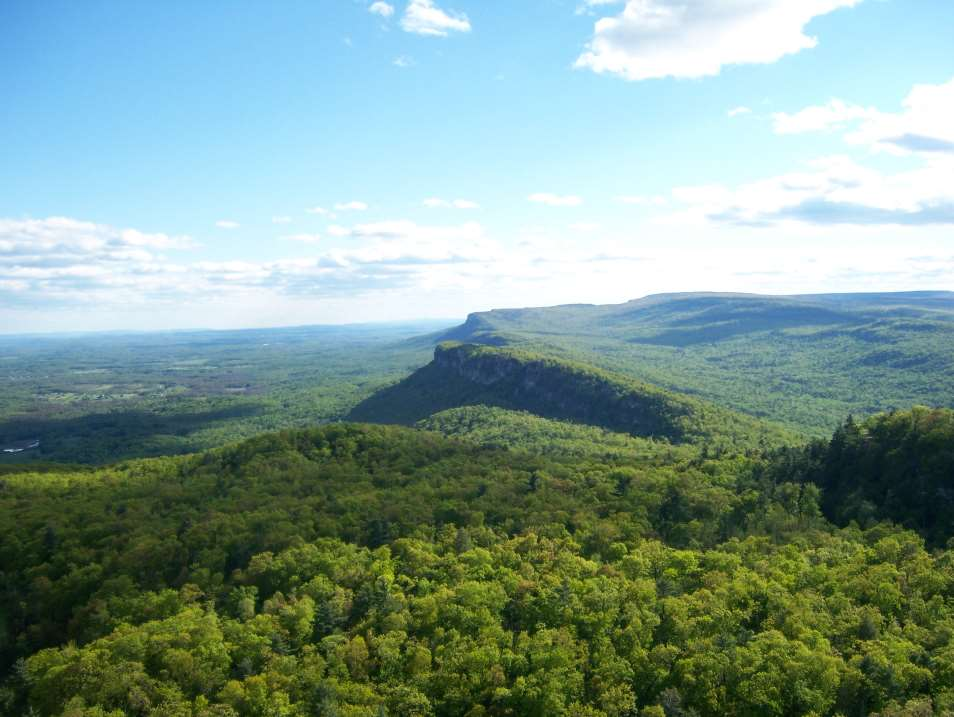
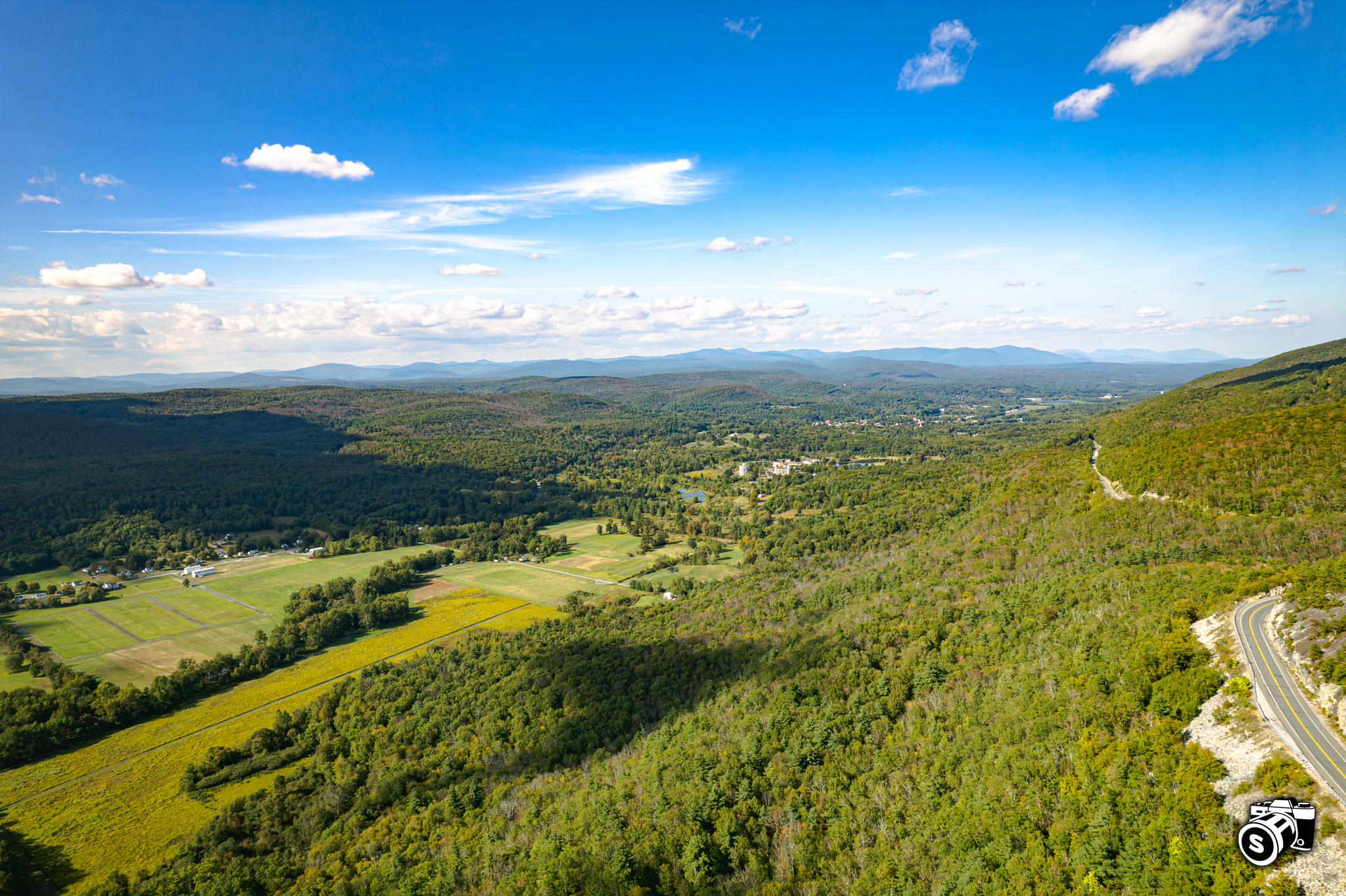
Shawangunk Ridge · Ulster County, NY
The Land Trust commissioned the leading regional ecological study organization, Hudsonia Ltd., to study the ecology of Cragsmoor. Below is their report on the unique habitats of the Shawangunk Ridge.
The Trail
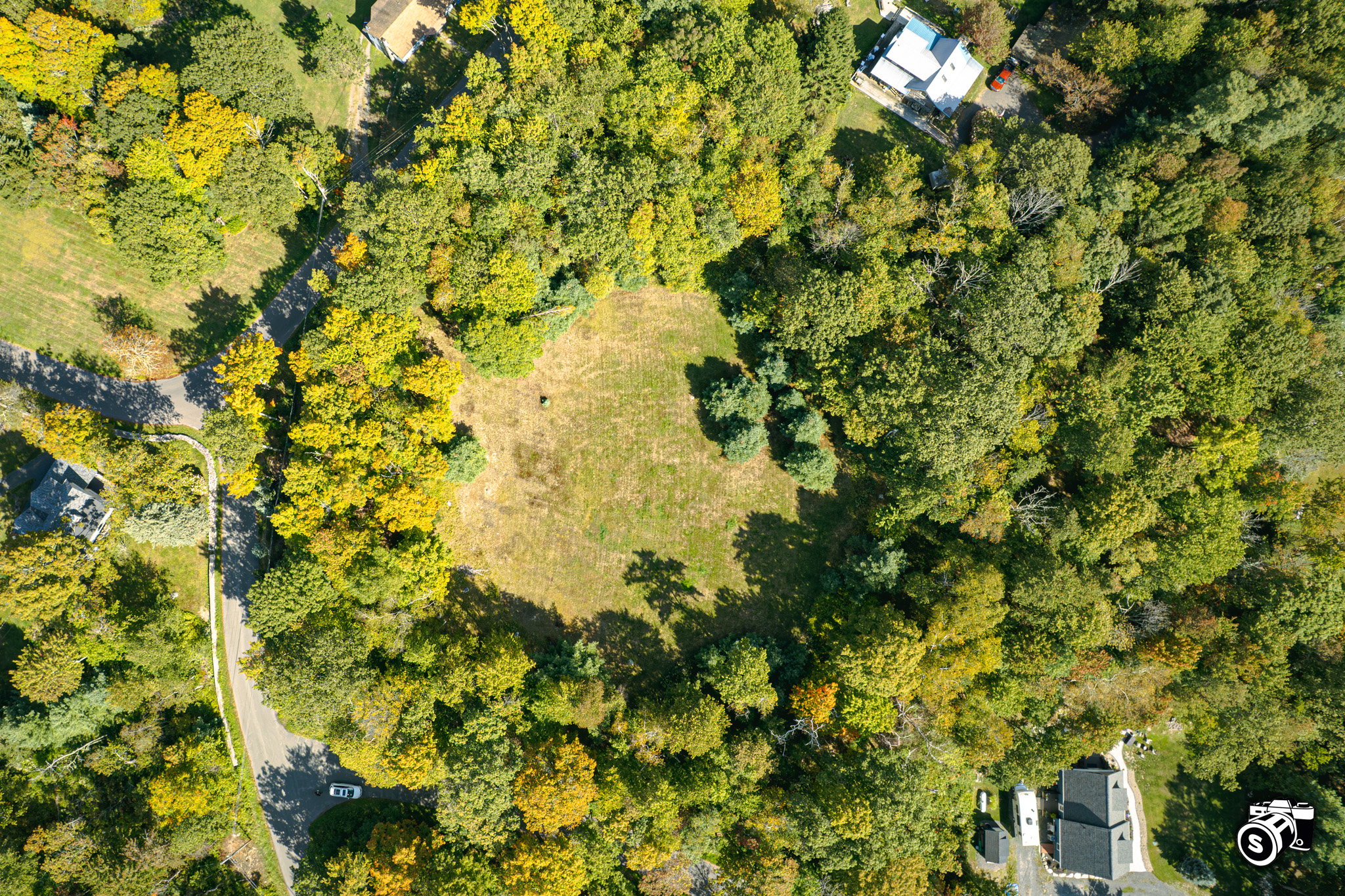
Donated to the Land Trust by Byron and Judith Hollinshead, this parcel stretches from Otis Road to Dellenbaugh Road, with a beautiful foot path winding through the woods that connects the two.
The trail offers a quiet walk beneath a canopy of native hardwoods — a chance to slow down, listen for songbirds, and see firsthand the kind of undeveloped Cragsmoor landscape the Land Trust works to protect in perpetuity.
"Lace up your boots and come explore — the path is open to all, and every visit is a reminder of why these lands are worth protecting."
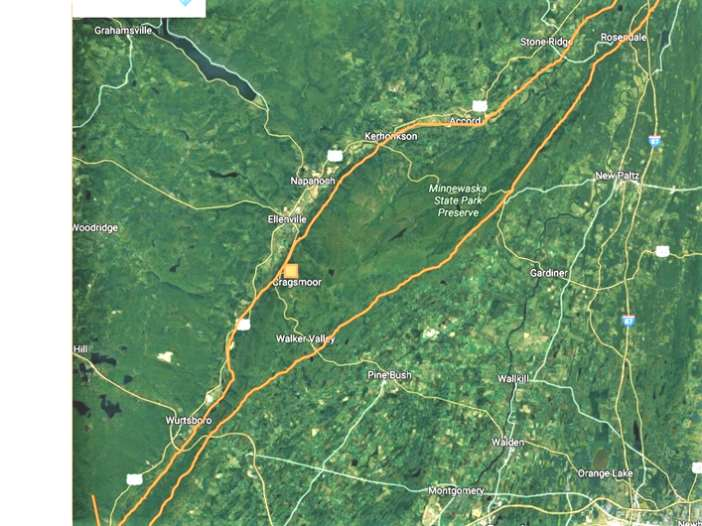
Cragsmoor Habitat Map
Detailed habitat mapping of the Cragsmoor area by Hudsonia Ltd., November 2018.
Click map to open full-screen viewer
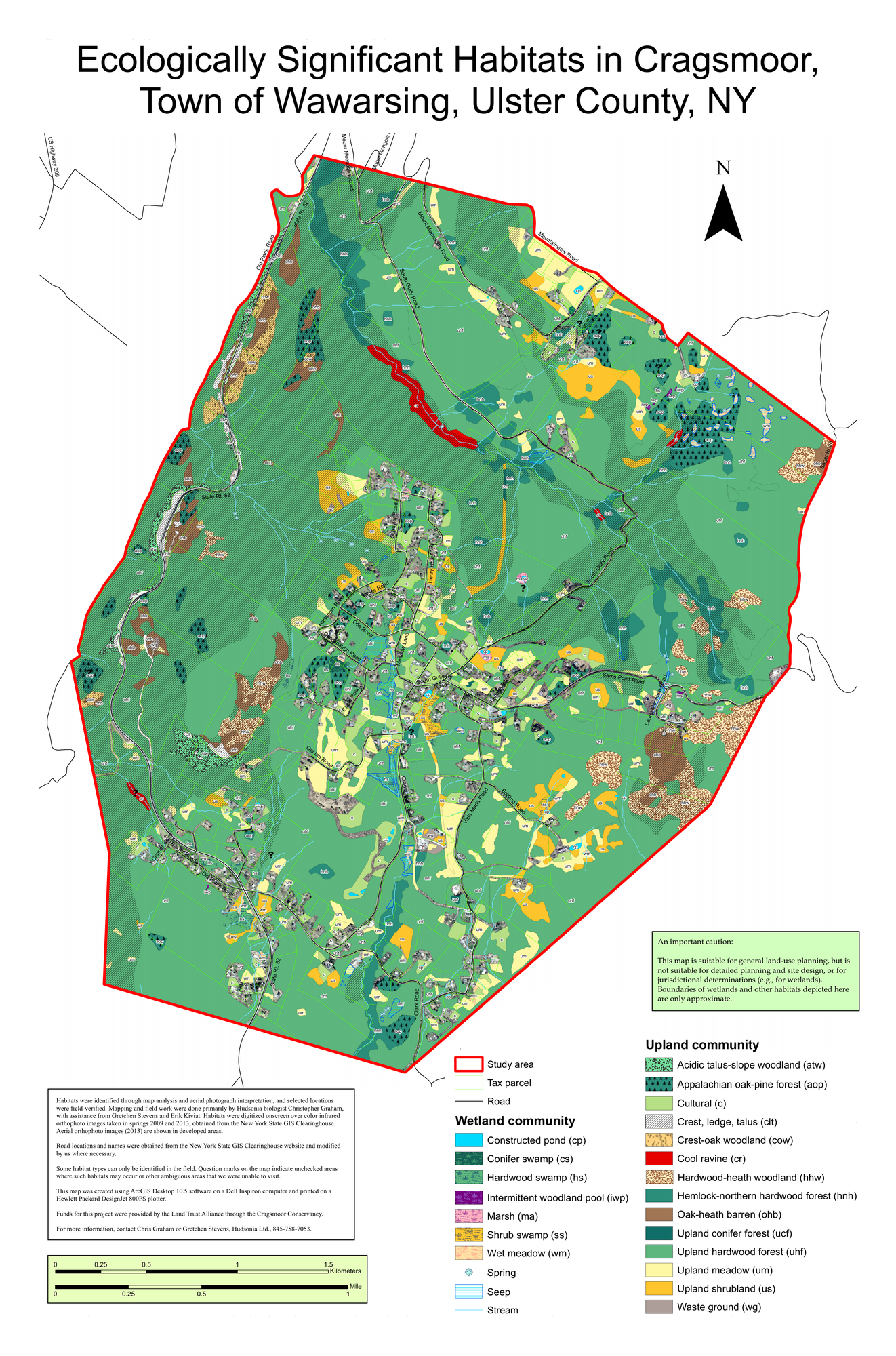
Tap the map to open full-screen viewer
Changes Through Time
The Cragsmoor landscape has undergone dramatic transformation over centuries.
Virgin hardwood and hemlock forests covered the landscape, supporting diverse wildlife across unbroken habitat corridors.
European settlers arrived as hunters and trappers, clearing land to build homes and establish the first settlements in Cragsmoor.
Charcoal production, hoop making, tanning, and farming denuded much of the landscape. By the late 1800s, hilltops were bare.
The landscape has regenerated into a mixed forest of hardwoods and conifers — a mosaic of habitats worth protecting in perpetuity.
Unbroken Forests for Wildlife
Cragsmoor's large, unbroken forest blocks support wide-ranging species. Hover or tap to learn more.
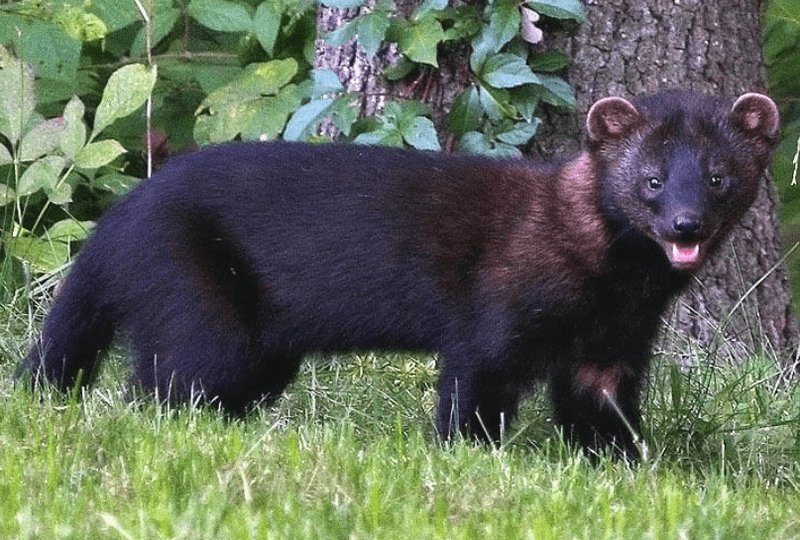
A wide-ranging forest mammal that requires large, connected habitat areas to thrive.
Hover to learn more →Fishers need extensive mature forest with dense canopy. They are sensitive to habitat fragmentation and road mortality. Cragsmoor's unbroken corridors are critical for their movement.
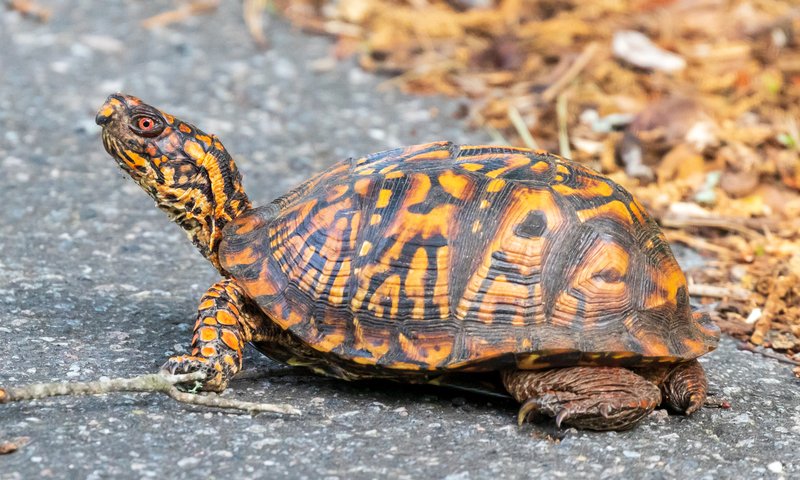
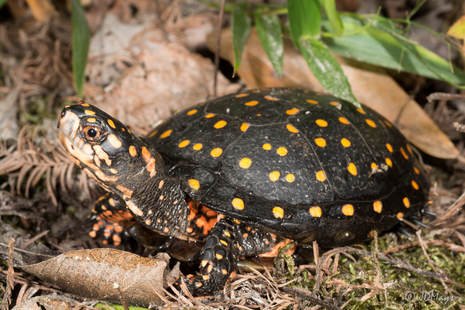
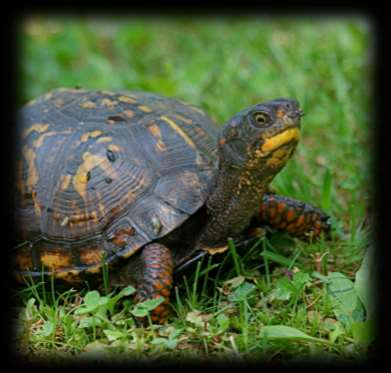
Needs connected habitats and can live over 100 years in undisturbed forest.
Hover to learn more →Box turtles have small home ranges but need diverse microhabitats. Road mortality and habitat loss are primary threats. Unfragmented forest is essential for population survival.
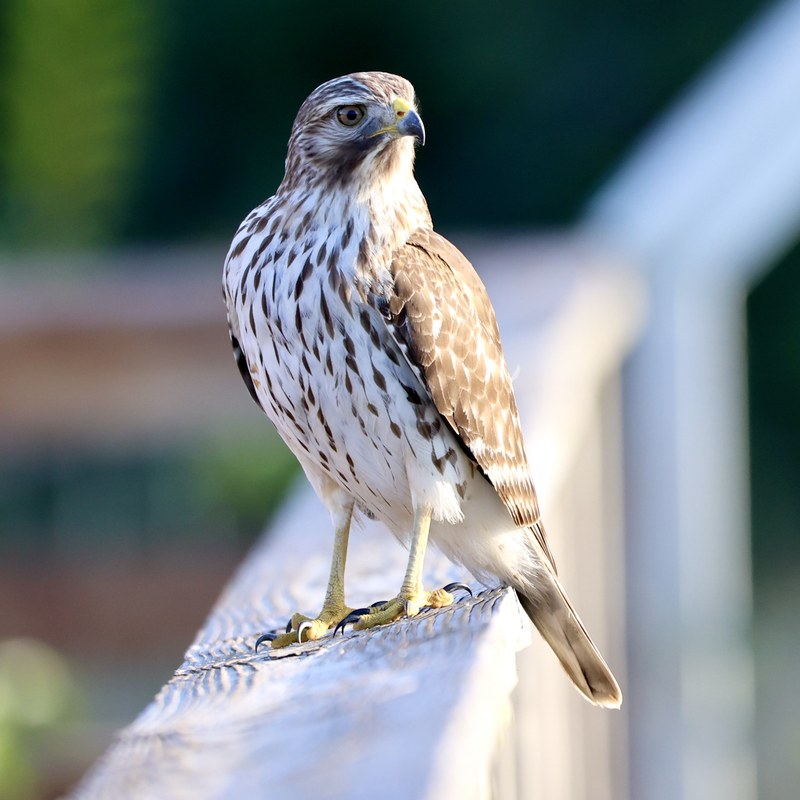
A mature-forest raptor that nests in large trees near streams and wetlands.
Hover to learn more →These hawks prefer mature forests near water. They are indicators of healthy, unfragmented forest ecosystems. Their presence signals a well-connected landscape.
Uses swamps for foraging, travel corridors, and overwintering across seasons.
Hover to learn more →Listed as a species of concern in New York. Spotted turtles need connected wetland and upland habitats. They are especially vulnerable to road mortality during seasonal migrations.
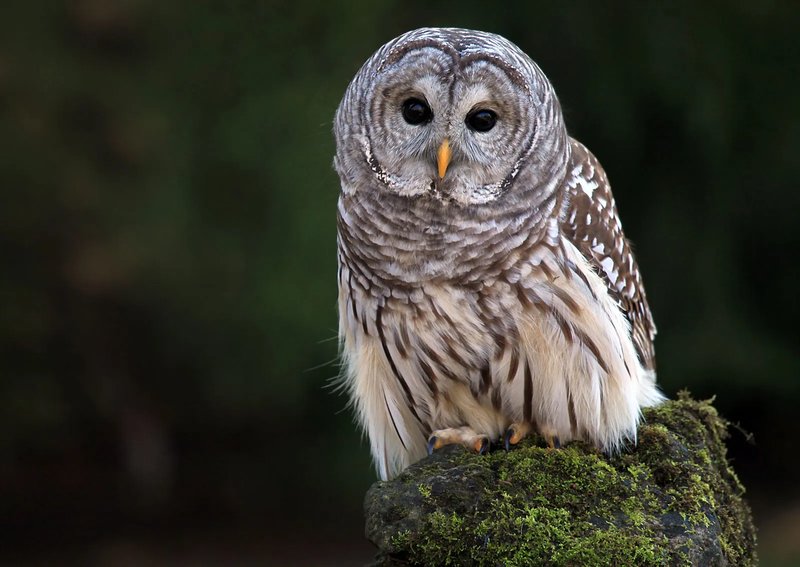
An old-growth forest dweller that needs large trees with natural cavities for nesting.
Hover to learn more →Barred owls require mature forests with standing dead trees (snags) for nesting. Conserving and protecting old-growth character through leaving dead wood is essential for their habitat.
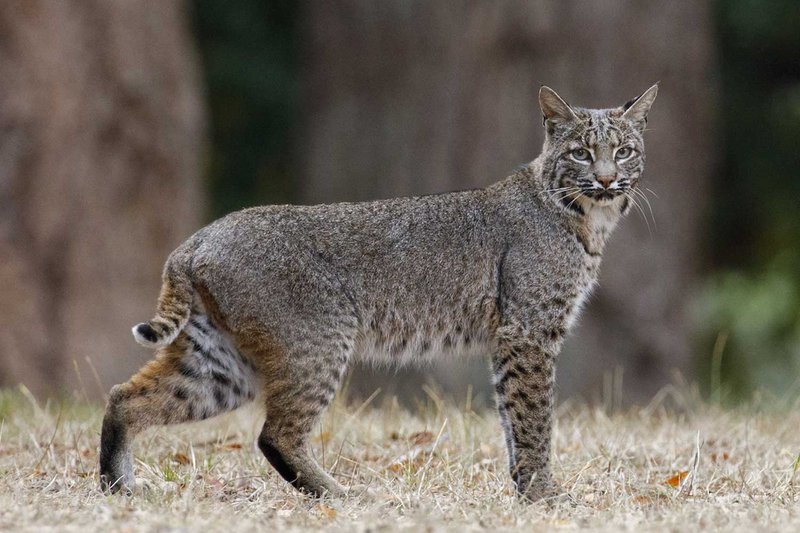
Uses talus and rock ledges for denning in Cragsmoor's rocky habitats.
Hover to learn more →Bobcats prefer rocky, forested terrain with minimal human disturbance. Cragsmoor's talus slopes and cliff faces provide critical denning sites. Leaving rocky areas undisturbed is key.
Habitat Types
Drag or scroll through the distinct habitats found across Cragsmoor's landscape.
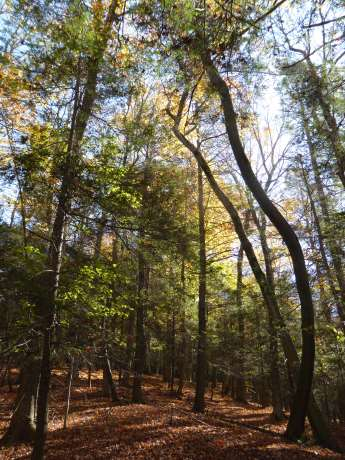
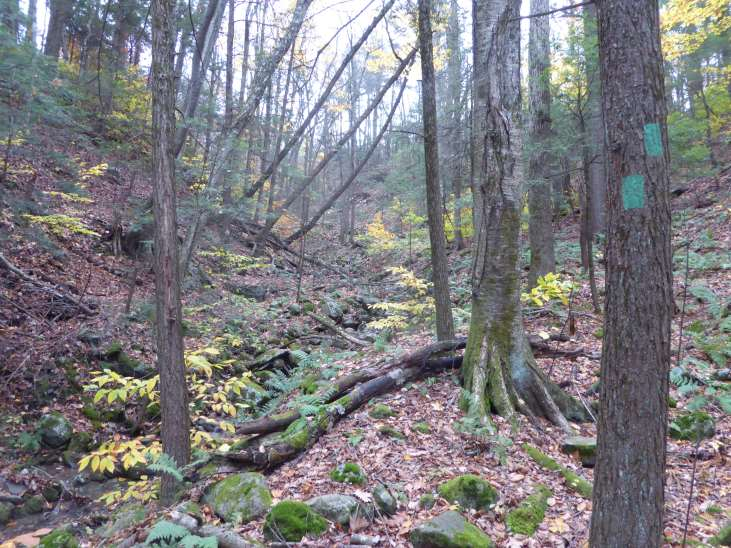
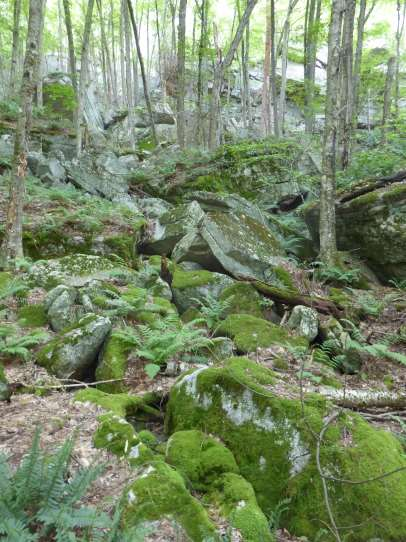
← Drag to explore habitats →
Water Systems
Vitally important to the well-being of a natural area. Click the tabs to explore.
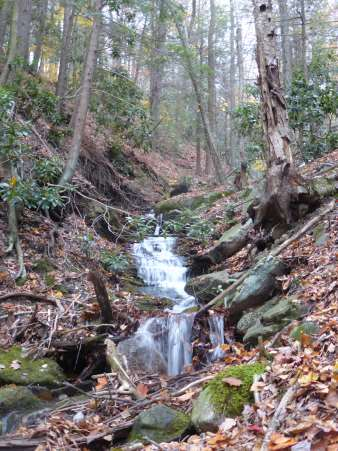
Flow for periods of a few days to many months during the year. They are the headwaters of most perennial streams. Their condition affects water quantity and quality downstream.
These streams contain microhabitats not found in perennial streams, supporting unique communities of invertebrates and amphibians.
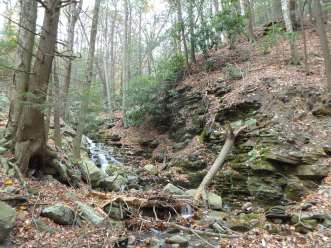
Provide essential water sources for wildlife throughout the year. They are valuable habitat for many plant, vertebrate, and invertebrate species.
Stream connectivity is key to safeguarding fish, turtles, and salamanders. Undersized or perched culverts obstruct the passage of aquatic animals.
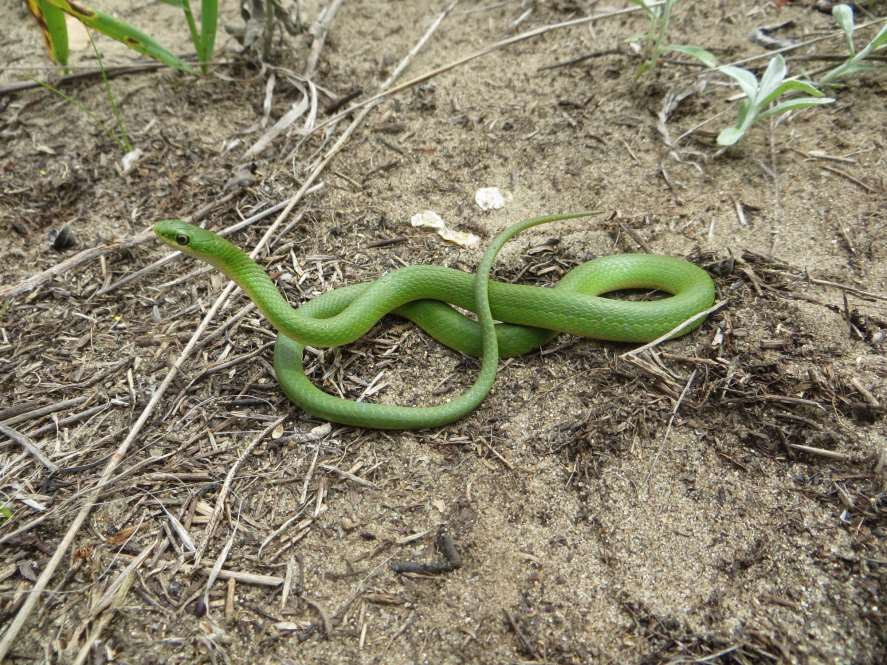
Uncommon but critically important habitats in Cragsmoor. They include seeps, springs, hardwood swamps, conifer swamps, shrub swamps, marshes, wet meadows, and intermittent woodland pools.
Spotted turtle uses swamps for summer foraging, travel corridors, and overwintering. The smooth green snake forages for crickets, grasshoppers, and caterpillars.
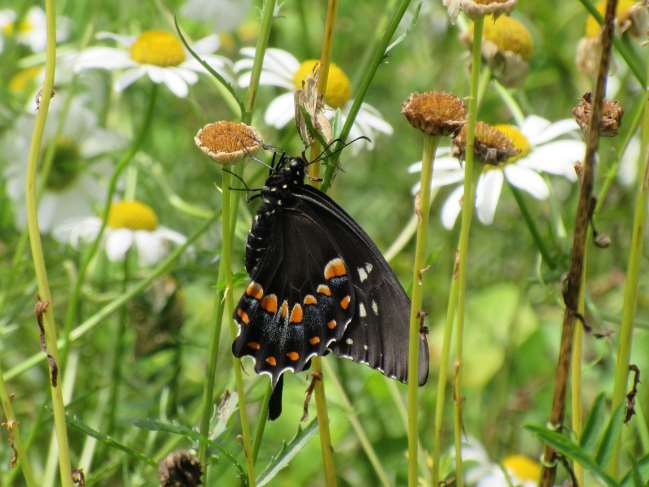
Buffer zones around sensitive areas are critical to maintaining habitat quality. For wetlands and streams, a vegetated buffer zone of 300 feet can help reduce sediments, excess nutrients, and other pollutants.
Buffers also stabilize banks and shield wildlife from human disturbance — essential for species like spotted turtle and smooth green snake.
Conservation Challenge
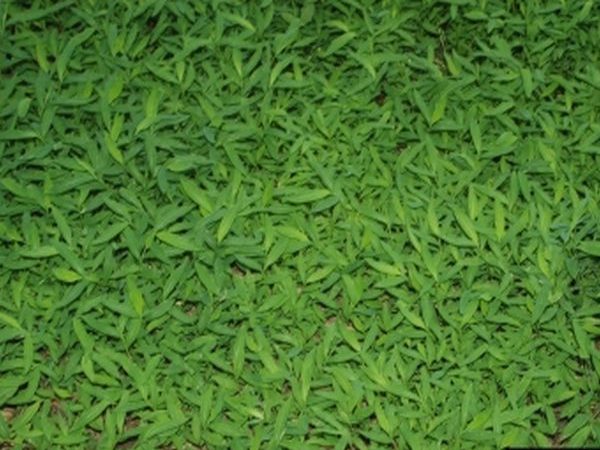
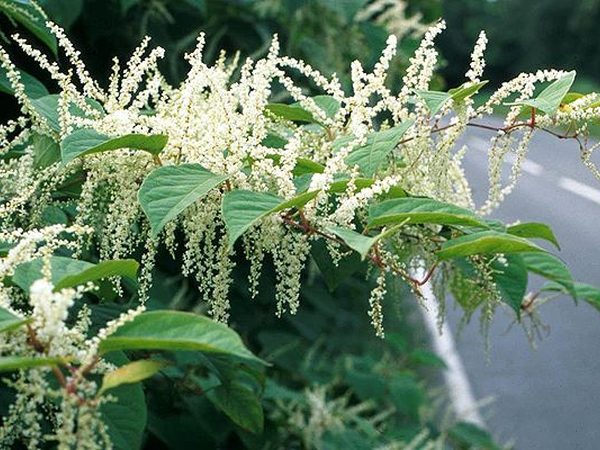
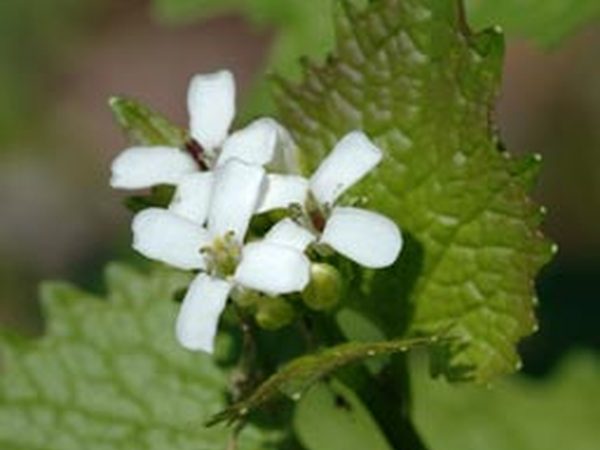
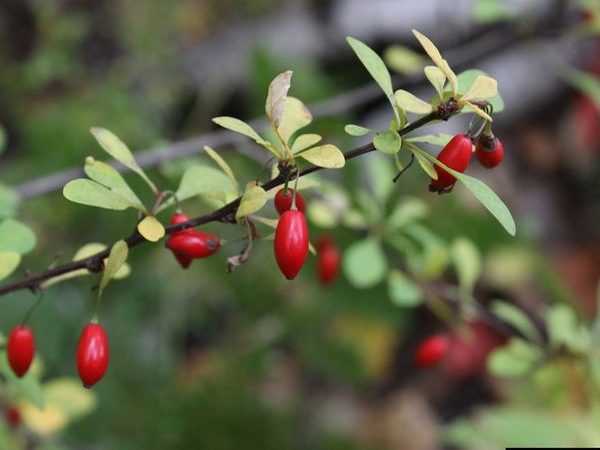
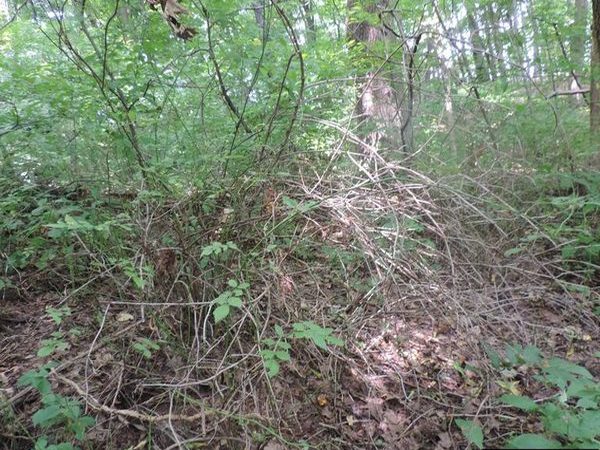
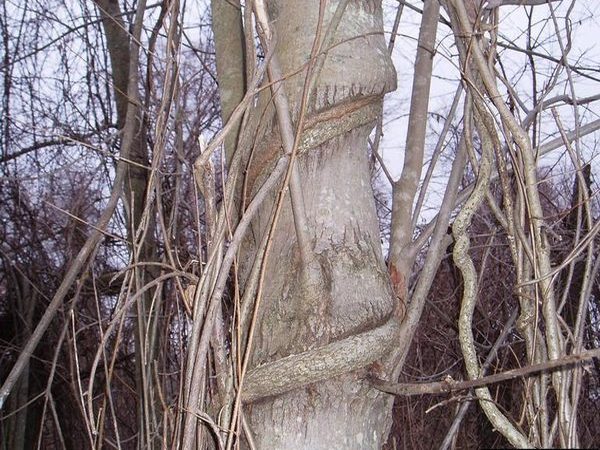
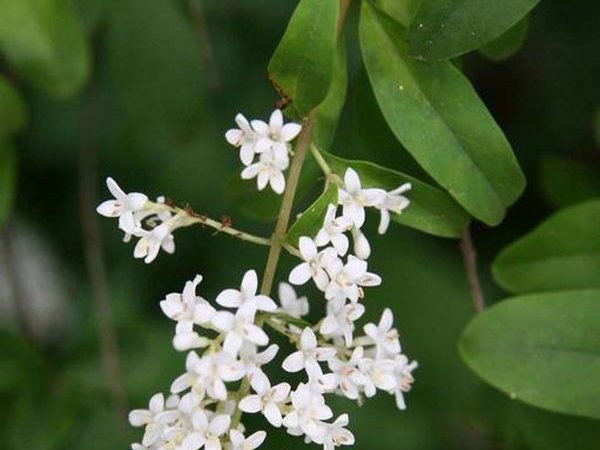
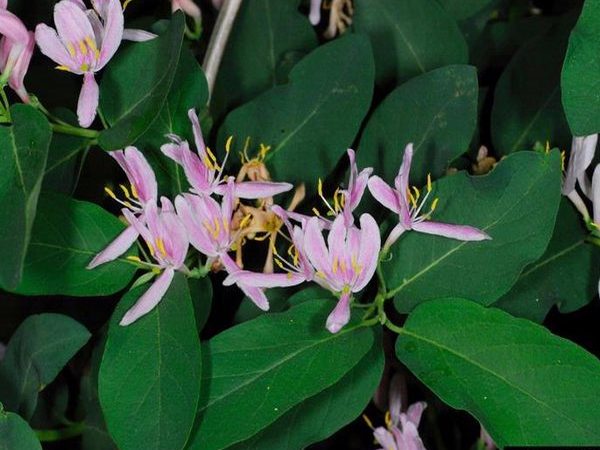
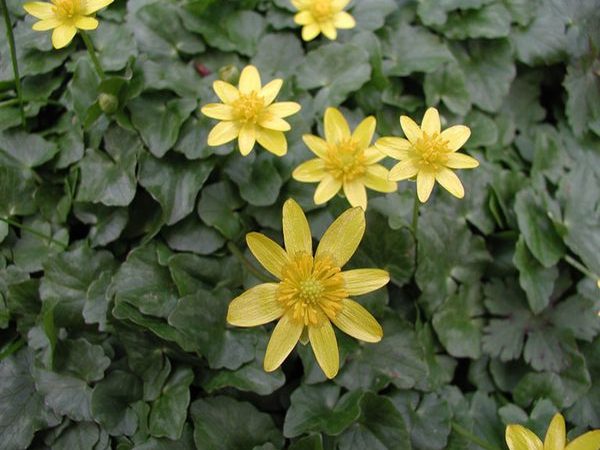
Non-native invasive plants spread aggressively, displacing native plants and the animals that depend on them. The Land Trust actively works to control these threats.
Click any species below to learn more on Invasive.org →
Fire Ecology
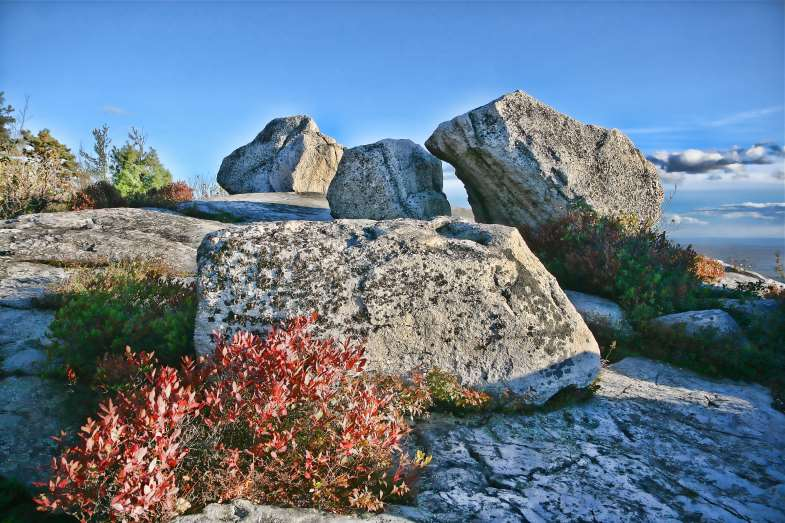
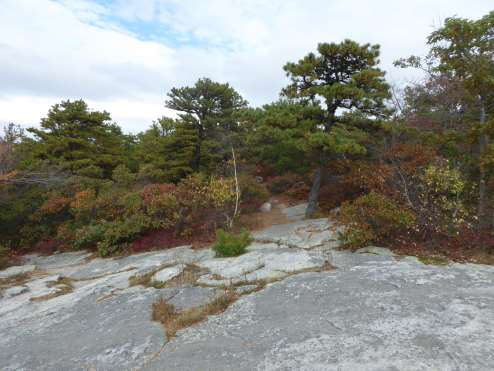
Pitch pine and other plants of rocky habitats can survive the episodic low-intensity fires that maintain dry ridgetop ecosystems throughout the Shawangunks. Green needles growing directly from the trunk of a pitch pine — called epicormic growth — are a healthy response to fire.
Living in Cragsmoor means living close to fire-dependent ecosystems. Follow Firewise USA recommendations for the ember threat and home ignition zone. www.nfpa.org
Stewardship
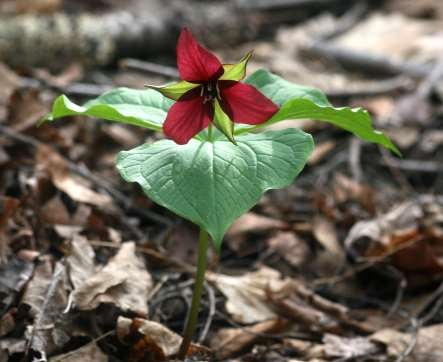
Instead of "cleaning up" the forest floor, leave standing dead snags, stumps, and downed logs. These provide habitat for black-and-white warbler, spotted salamander, woodpeckers, owls, and porcupines.
If building on your land, minimize the length of driveways and roads that would fragment habitat. Landscape with native plants, which provide higher quality food and shelter for wildlife.
Leave a buffer of natural vegetation around ponds and streams — a 300-foot vegetated buffer helps reduce pollutants, stabilize banks, and shield wildlife from disturbance.
Content and imagery adapted from "The Cragsmoor Forest: Our Habitats" by Hudsonia Ltd. — an institute for research and education in the environmental sciences.
Every acre matters. Become a member today conserving and protecting the Cragsmoor forest for future generations.
Become a Member →